A Comprehensive Overview of Gastroscopy in Singapore

Insights
A gastroscopy in Singapore is an essential procedure for diagnosing and evaluating various digestive health concerns. Whether you’re experiencing persistent stomach pain, nausea or unexplained weight loss, a gastroscopy procedure can provide clarity and help pinpoint the underlying issue.
Understanding gastroscopy, how to prepare for it and what to expect during recovery can significantly reduce anxiety associated with the procedure. At our Gastroenterology Clinic, you can expect personalised care and expert guidance, ensuring the procedure is as smooth and comfortable as possible.

Who Needs a Gastroscopy or Colonoscopy

If you have chronic heartburn, acid reflux, unexplained weight loss, nausea or persistent abdominal pain, our gastroenterologists may suggest gastroscopy.
Additionally, the following may consider this procedure:
  • You have a family history of gastrointestinal diseases, such as gastric cancer or ulcers
  • You struggle with Crohn’s and celiac disease
  • You are experiencing difficulties swallowing and abnormal bleeding
  • You have low levels of iron

What Is a Gastroscopy Procedure

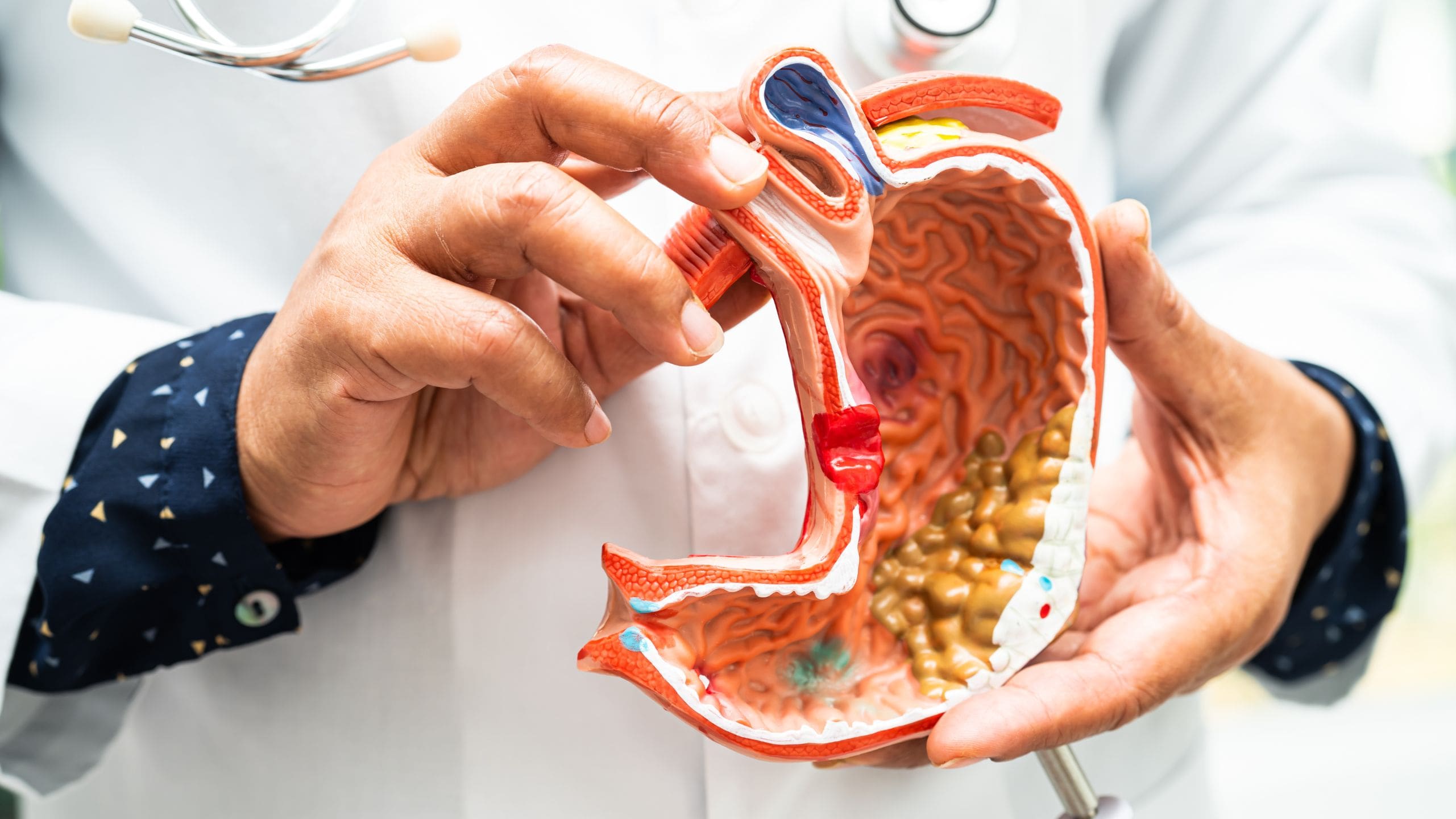
A gastroscopy procedure involves the use of an endoscope, a long, flexible tube equipped with a camera, which is gently inserted into the mouth and advanced through the oesophagus into the stomach and duodenum.
This allows our gastroenterologists to visualise the digestive tract’s interior, checking for abnormalities such as inflammation, bleeding, ulcers or tumours.
Step-by-step breakdown of the process:
  1. Preparation:
    Before the procedure begins, you will be asked to change into a gown and lie down on an examination table. A mild sedative or local anaesthetic will typically be administered to help you relax and reduce discomfort. The sedative helps you feel drowsy and calm throughout the procedure, while the local anaesthetic numbs the throat to prevent gagging when the endoscope is inserted.
  2. Insertion of the Endoscope:
    Once you are comfortably positioned, our gastroenterologist will insert the endoscope into your mouth. The tube is thin and flexible, making it easier to guide it gently down the throat. The camera at the end of the endoscope sends real-time images to a monitor, allowing our doctor to examine your oesophagus, stomach and duodenum (the first part of the small intestine).
  3. Visual Examination:
    Our gastroenterologist will carefully examine the inner lining of the digestive tract for signs of abnormalities, including inflammation, bleeding, ulcers or growths such as polyps or tumours. The endoscope provides a clear, high-definition image, helping to detect even minor issues.
  4. Biopsy and Sample Collection:
    If our gastroenterologist observes abnormal tissue or lesions, they may take a small tissue sample for biopsy. This is done using special instruments attached to the endoscope. A biopsy diagnoses conditions such as infections, inflammation or cancer. The process is quick and minimally invasive, with little to no discomfort.
  5. Additional Treatments:
    In some cases, our gastroenterologist may use the endoscope to perform treatments, such as removing polyps, dilating narrowed areas of the digestive tract (such as in cases of strictures) or treating bleeding sites. These interventions are done simultaneously during the gastroscopy procedure, allowing for more comprehensive management.
  6. Completion:
    Once the examination and necessary treatments are completed, the endoscope is carefully withdrawn. The entire procedure typically lasts between 15 to 30 minutes, depending on the complexity and additional treatments that may be required.

After the procedure, you will be monitored for a short time as the sedative wears off. Our gastroenterologist will discuss the findings with you and advise on any further steps or follow-up care if necessary.

The Role of Gastroscopy in Digestive Health

Early detection through gastroscopy enables timely intervention, preventing conditions from worsening. In addition, this procedure can provide valuable information when symptoms do not align with initial diagnoses, helping to confirm or rule out certain conditions. At a gastroenterology clinic in Singapore, this service is provided with compassionate care to ensure you feel comfortable throughout the process.

How to Prepare for a Gastroscopy

Proper preparation is key to ensuring a successful gastroscopy in Singapore. Typically, you will be asked to fast for at least 6 to 8 hours before the procedure. This ensures your stomach is empty, providing a clearer view of the digestive tract. You may also need to avoid certain medications, particularly blood thinners or anti-inflammatory drugs, as they can increase the risk of bleeding during the procedure.
On the day of the procedure, you will likely be given a mild sedative to help you relax and minimise discomfort. It is important to arrange for someone to drive you home after the procedure, as you may still feel drowsy from the sedation.

Recovery Tips After a Gastroscopy Procedure

Once the procedure is completed, you will need some time to recover, especially due to the sedative administered. Recovery takes a short period, but there are a few important tips to ensure you heal comfortably and quickly:
  1. Rest and Recover for the remainder of the day, as you may still feel drowsy or lightheaded. Avoid strenuous activities and give your body time to adjust.
  2. Hydrate by drinking small sips of water. Your throat may feel sore or dry due to the endoscope passing through it, so drinking fluids will help soothe discomfort. Avoid hot drinks immediately after the procedure.
  3. Avoid Eating Solid Foods Right Away, as your throat may still be numb from the local anaesthetic. Begin with light foods like soup or soft fruit, gradually introducing more solid foods as you feel comfortable.
  4. Monitor for Any Unusual Symptoms. While recovery is typically smooth, it is important to be aware of unusual symptoms, such as severe abdominal pain, persistent bleeding or difficulty swallowing. If you experience any of these, contact our gastroenterology clinic in Singapore immediately for further guidance.
  5. Follow-Up Instructions depend on the results of the procedure. If a biopsy was taken, results will be available within a week and our doctor will advise on the next steps.
By following these recovery tips, you can ensure a smooth and quick recovery post gastroscopy and be back to your normal activities as soon as possible.

When Should You Schedule a Gastroscopy Procedure

You should schedule a gastroscopy procedure if you experience persistent gastrointestinal symptoms that have not improved with standard treatments. If you are over the age of 50 and have a family history of digestive disorders or cancers, regular screening may also be recommended.
Our gastroenterologists will assess your symptoms, medical history and risk factors to determine the best time for the procedure. It is also important to schedule a gastroscopy in Singapore if you have been experiencing symptoms such as chronic indigestion, difficulty swallowing or unexplained stomach pain.

Prioritise Your Digestive Wellness with Expert Care

A gastroscopy is a vital step toward understanding and improving your digestive health. At the Gastroenterology Group, we’re committed to providing you with compassionate care, diagnostic procedures and personalised treatment plans tailored to your needs.
If you’re experiencing persistent symptoms or have risk factors for gastrointestinal conditions, don’t delay seeking expert advice. Timely detection is key to better results, and our skilled team is here to help you through each step of the process. Schedule your consultation today and prioritise your health with confidence.