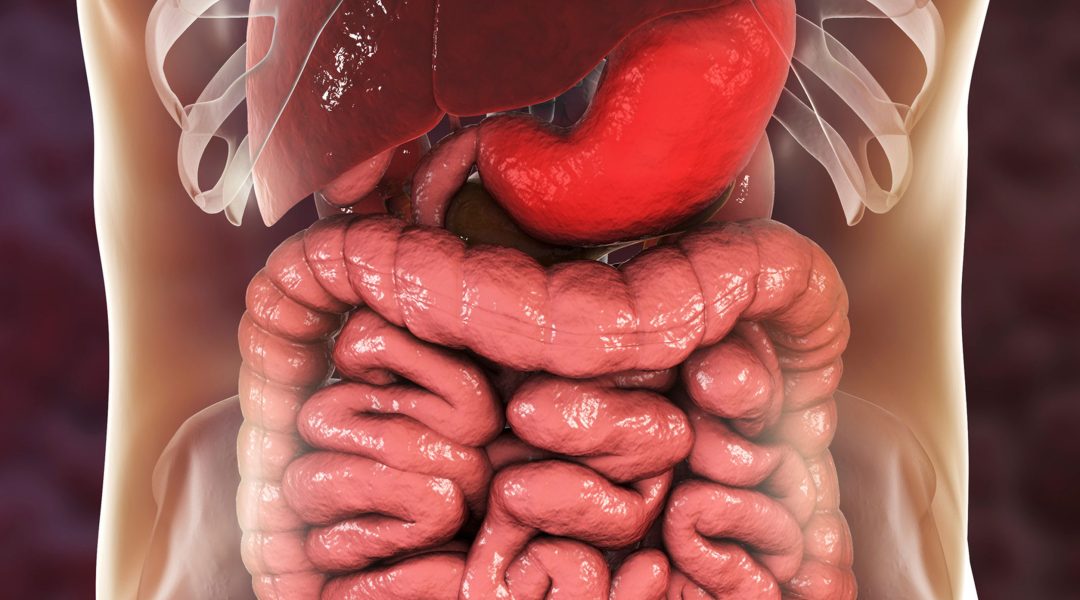
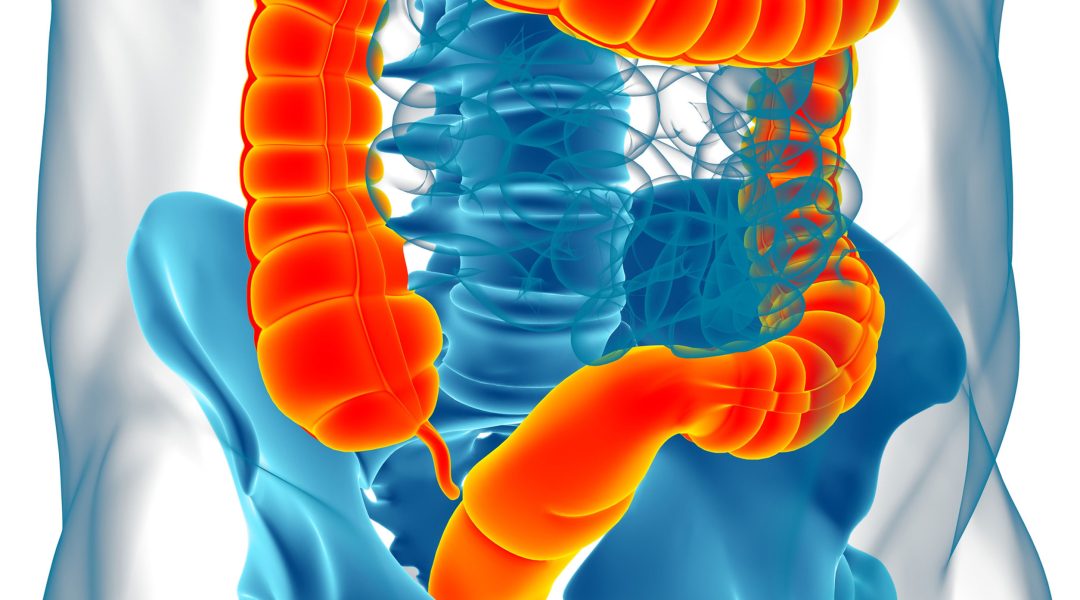
Inflammatory bowel disease (IBD) is a chronic condition that affects the digestive tract, causing persistent inflammation and significant disruption to daily life. The two main types of inflammatory bowel disease are Crohn’s disease and ulcerative colitis, each with unique patterns of symptoms and complications.
The rise in IBD diagnoses highlights the importance of not overlooking ongoing digestive symptoms. With early detection and tailored treatment, patients can manage their condition more effectively and reduce the risk of complications.
Inflammatory bowel disease is a chronic disorder that involves abnormal immune responses leading to ongoing inflammation in the gastrointestinal (GI) tract. Unlike Irritable Bowel Syndrome (IBS), which does not cause structural damage, IBD can lead to serious complications if left untreated.
IBD symptoms may include abdominal pain, diarrhoea, weight loss and fatigue. Because symptoms can overlap with other digestive disorders, accurate evaluation is essential. With the right care, including timely IBD treatment in Singapore, patients can minimise flare-ups and improve long-term quality of life.
Crohn’s disease commonly affects the terminal ileum (the last part of the small intestine) but may involve any part of the digestive tract.
Typical Crohn’s disease symptoms include:
Complications may involve fistulas, strictures or malnutrition. Because Crohn’s disease can affect multiple layers of the intestinal wall and appear in “patchy” segments, treatment must be carefully tailored. Options for Crohn’s disease treatment include medications to control inflammation, nutritional support, and in some cases, surgery.
In contrast, ulcerative colitis affects only the colon and rectum. The inflammation is continuous rather than patchy and confined to the inner lining of the bowel wall.
Complications can include colon dilation or an increased risk of colorectal cancer if untreated. Effective ulcerative colitis treatment in Singapore may involve medication, lifestyle modifications, and surgical removal of the affected portion of the colon if needed.
Understanding Crohn’s vs ulcerative colitis is important for accurate treatment planning.
This highlights the difference between Crohn’s disease and ulcerative colitis, underscoring why expert evaluation is essential for proper diagnosis and care.
The exact cause of IBD is not fully understood, but key contributors include:
Rising cases of IBD in Asia point to the impact of urbanisation and changing dietary habits.
Diagnosing IBD requires a combination of medical history, laboratory work, and imaging studies.
If symptoms persist, consulting an IBD specialist ensures an accurate diagnosis and a personalised care plan. Early IBD diagnosis in Singapore improves long-term outcomes and reduces the risk of complications.
Effective IBD treatment involves a combination of medication, diet and sometimes surgery.
Medications: Anti-inflammatory drugs, immunosuppressants, and biologics help control inflammation and maintain remission.
Dietary adjustments: Nutrition plays a vital role in symptom control. Patients may benefit from professional guidance on food choices.
Surgery: Required in cases where medication fails or complications arise.
Both Crohn’s disease and ulcerative colitis treatment are most effective when guided by a specialist who can monitor progress and adapt strategies over time.
Living with IBD requires ongoing management, but practical steps can make a big difference.
Patient support groups and counselling services can provide emotional encouragement and practical advice.
Managing IBD is complex, and the expertise of an IBD specialist is essential.
At The Gastroenterology Group, patients receive comprehensive care designed to balance symptom control with quality of life.
Early recognition and proper care are key to managing IBD effectively. Whether you are facing Crohn’s disease or ulcerative colitis, timely treatment can reduce flare-ups, prevent complications and help restore confidence in your health. Our gastroenterologists are experienced in diagnosing and treating complex digestive conditions, guiding patients with evidence-based care that addresses both symptoms and long-term health.
If you are experiencing ongoing digestive symptoms, don’t delay seeking help. Schedule a consultation with our experienced IBD specialists and take the first step toward clarity, comfort, and lasting relief.